
For Community
Reliable access to nutritious food is a foundational pillar of a thriving, equitable society.
By funding food access initiatives, we are able to address immediate, emergency needs while tackling systemic poverty, improving public health, and fostering long-term local resilience.
Worcester County Food Bank Partnership
The Worcester County Food Bank is on a mission to engage, educate, and lead Worcester County, Massachusetts, in creating a hunger-free community. The Food Bank works to improve access to healthy food by supplying a network of local pantries and community meal programs with donated food, and by advocating for systemic policies that promote a fair, healthy food system.
For 25 years, we have partnered with the Worcester County Food Bank to offer grants through the Fund to End Hunger, supporting nonprofit organizations working towards a hunger-free Worcester County.
North County Regional Food Transportation System
Northern Worcester County is home to 32 food pantries, 23 of which receive food for distribution from the Worcester County Food Bank. Currently, each food pantry is individually responsible for picking up their donated food from the food bank’s warehouse in Shrewsbury and bringing it back to their pantries; much of which is done by volunteers. The United Way of North Central Mass has been convening leaders from across the region to discuss and study possible strategies for tackling these transportation challenges.
With a grant of $250,000 from the Foundation, and the support of the Worcester County Food Bank, the North County Regional Food Transportation System project can move into a planning and implementation phase.
Other Ways We've Addressed Food Security
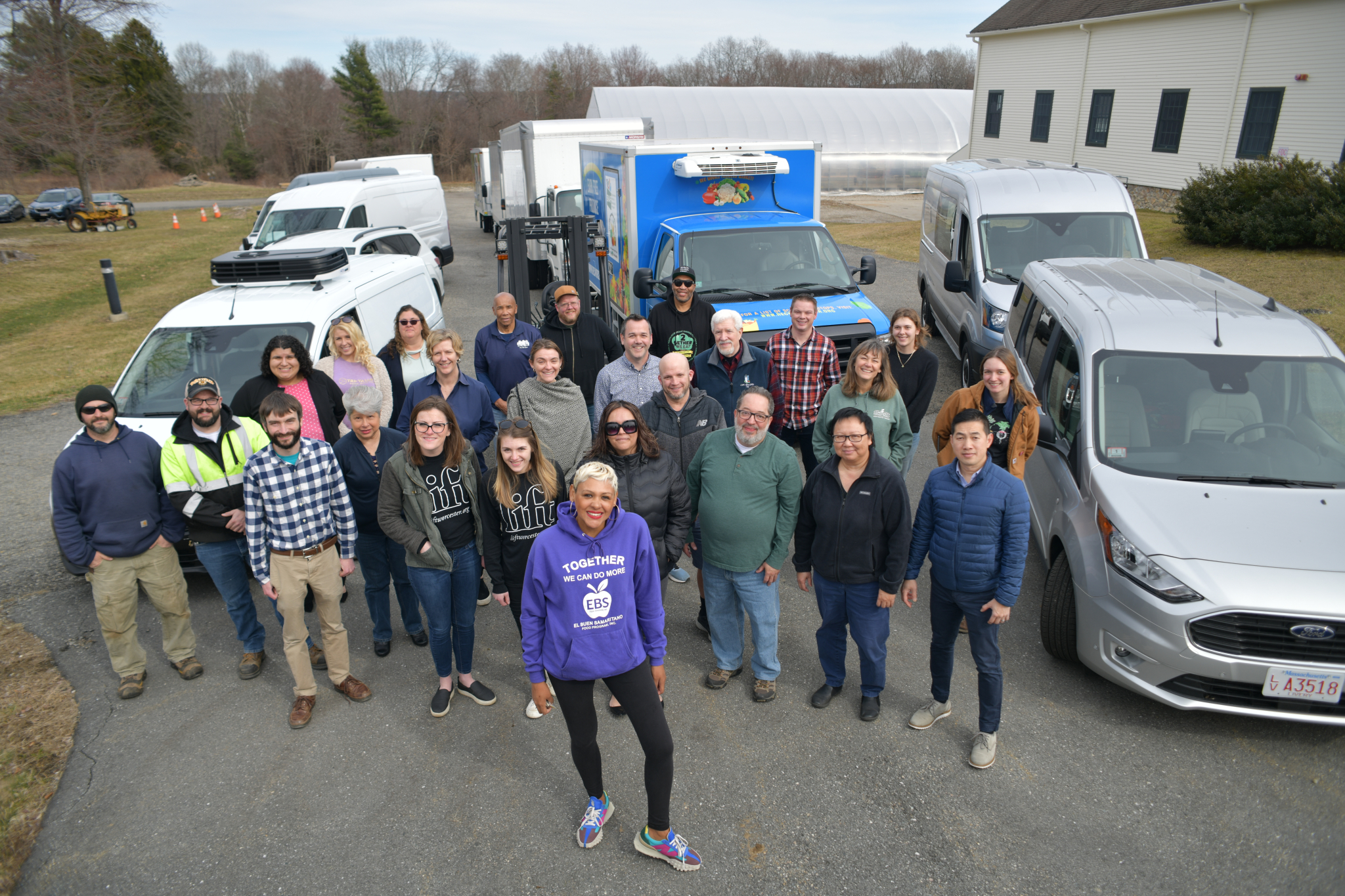
In 2022, we had the opportunity to award Community Development Block Grant (CDBG) for Food Security in partnership with the State Department of Housing and Community Development.
Over $1.6 M has been awarded to 17 grantees serving Worcester County. Grant money was exclusively awarded for supplies and equipment to build up the capacity of food security organizations to respond to increased demand as a result of the pandemic, population growth, and the recession – which translated into 14 vehicles, two forklifts, and a remarkable amount of food storage and food distribution supplies and equipment.
Questions?
Contact Jonathan Cohen
Vice President of Community Impact
508-755-0980