SEACMA advances food security for immigrant families through culturally responsive programs, urban agriculture and community connection.
Founded in 1999, Southeast Asian Coalition of Central Massachusetts is a Worcester-based nonprofit dedicated to ensuring that immigrants and refugees can thrive and participate fully in civic life.
SEACMA was originally formed to serve Vietnamese and Cambodian communities but now reaches a wider Asian immigrant population, including Nepali, Karen, Karenni, Rohingya, Chinese, Laotian, and Afghan families. Approximately 90% of clients are low-income, and many face housing instability, limited English proficiency, and barriers to accessing public benefits and healthcare.
Eliminating barriers is key to SEACMA’s mission and programming, including its food security program that receives funding from the Foundation. “There are so many obstacles that prevent our clients from accessing support,” explains Tuyet Tran, SEACMA’s Executive Director. “Navigating complex benefit systems like SNAP can be hard due to language barriers and administrative requirements, and meal programs often don’t offer food that is culturally appropriate.”
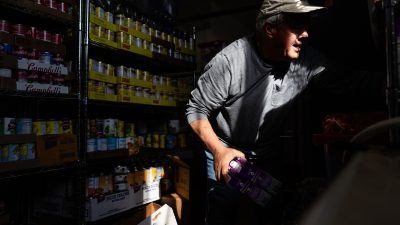
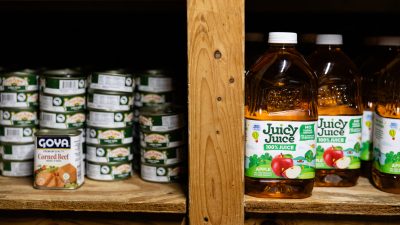
To combat this, SEACMA developed its own food security program, distributing fresh produce and protein boxes tailored to the dietary and cultural preferences of clients. In the winter, when access becomes more difficult, SEACMA provides weekly hot meal deliveries to individuals unable to travel to the center.
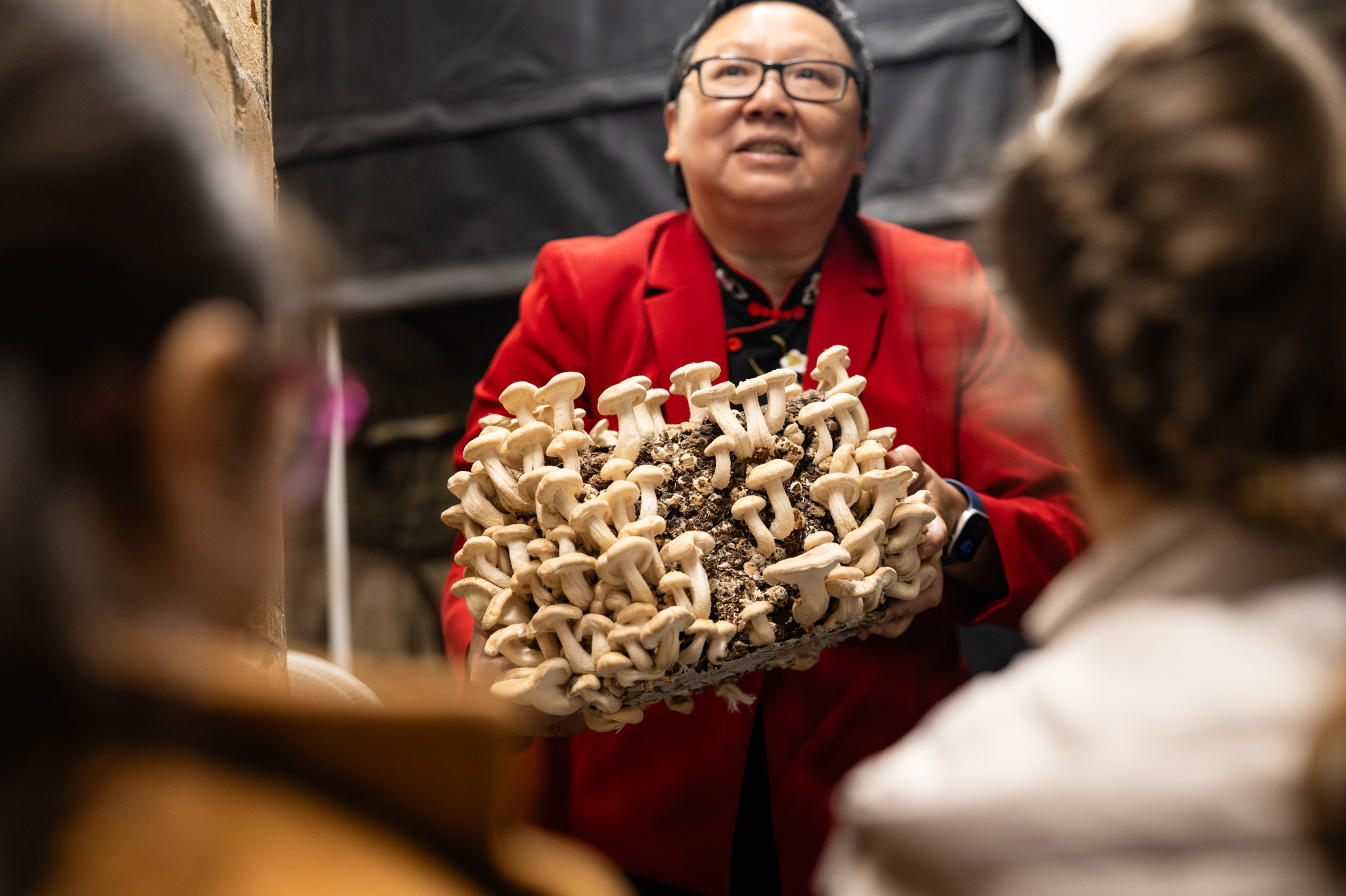
In 2025, the program distributed more than 3,000 pounds of food and delivered 135 hot meals directly to the homes of older adults in the winter months. A defining feature of the food security program is urban agriculture. Older adults and youth volunteers cultivate Asian vegetables and herbs in two urban gardens in downtown Worcester.
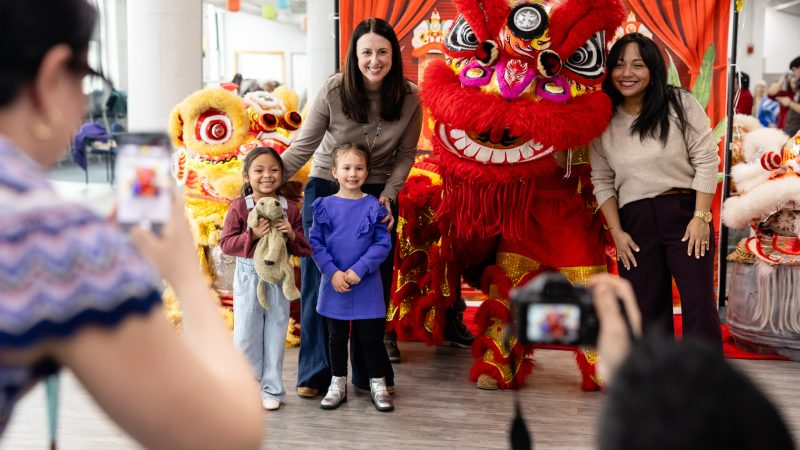
Beyond food distribution, SEACMA offers activities across generations. “We really want to expand in the area of healthy aging,” says Tuyet. “We’ve started doing more programming for older adults, to get them to socialize and try to combat loneliness and depression.” Activities include dance classes, volleyball games, cooking classes, and karaoke nights.
Recent changes by the federal administration have impacted SEACMA, reducing funding and creating heightened anxiety among the immigrant communities it works with. In response, SEACMA is strengthening its infrastructure and pursuing new vendor partnerships to secure culturally appropriate foods while continuing to expand its outreach. “What we’re trying to do is continue to provide really good services,” says Tuyet. “Our priority is to be responsive to whatever the community needs are.”
This story was originally published in our 2025 Annual Report.