At Greater Worcester Community Foundation, our work is guided by a simple but powerful idea: greater giving, greater impact for a greater Worcester County.
That vision shapes how we partner with others to strengthen philanthropy and deepen community connection across our region.
The Inspiring Generosity Match Fund, a collaboration between Greater Worcester Community Foundation and the Esler Family Foundation, brings this approach to life. By encouraging charitable giving and supporting nonprofits as they build capacity and reach, the fund helps create stronger organizations and more meaningful outcomes across Worcester County.
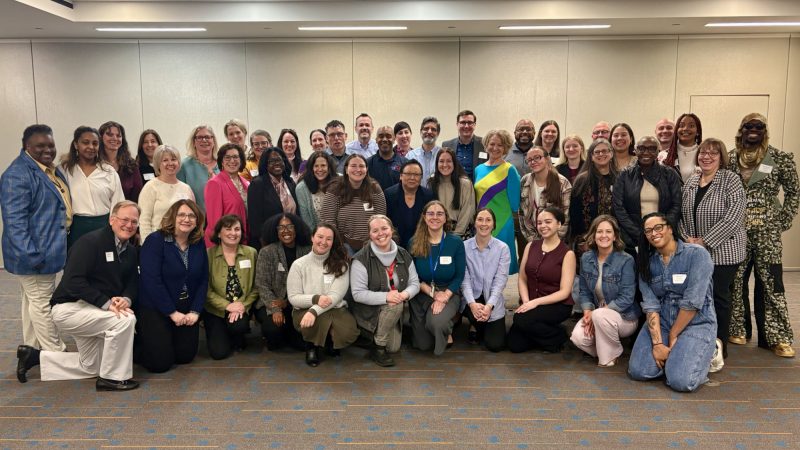
Grantees recently came together for a kickoff event and fundraising workshop led by Chuck Gordon. During the event, Jeanne and John Esler shared their reasons for launching this fund and partnering with the Foundation.
Q&A with Jeanne and John Esler
Why did you choose to partner with Greater Worcester Community Foundation on this fund?
Jeanne: In this time of unpredictable funding for nonprofit organizations, we felt it was important to demonstrate our support for the changemakers in Worcester County. We know these nonprofits dedicate themselves every day to providing hope and essential support where it’s needed most, and that their work is needed now more than ever.
We chose to partner with Greater Worcester Community Foundation on this fund because they are so well connected to the nonprofit sector in Worcester County. They know which nonprofits are on the ground doing the work, and they had the resources and infrastructure in place to run this grant program. We are so grateful to the Foundation staff for their management of the application process and grant portal, which took the administrative burden off us so that we could focus on reviewing the applications and deciding on recipients.
Why did you choose to make this a matching grant opportunity?
Jeanne: We’ve utilized matching grants in the past within our family foundation, and we find that it gives nonprofits important leverage – they can use our funding to broaden their partnerships with donors and even reconnect with donors who have given in the past. We believe that matching grants help great ideas and organizations gain traction, creating momentum that encourages others to join in, multiplying impact through shared commitment and collaboration.
We recognized that some of the grantees may have limited fundraising capacity or have never done match fundraising before. Another benefit of working with the community foundation is its Nonprofit Support Center, through which we were able to offer a workshop for our grantees that focused on match fundraising.
You talk about the importance of transformational change and taking an upstream approach to your funding. What does that mean to you?
Jeanne: While it’s obviously worthwhile to pull people out of rivers when they’re drowning, we believe it’s even better to go upstream to see why they’re falling in the first place. We love to support programs and projects that don’t just react to problems but really work to prevent them by tackling root causes. It’s about aiming for long-term solutions, improving outcomes, and changing lives.
How did you decide on the three focus areas for this fund?
Jeanne: The fund reflects the priority areas of the Esler Family Foundation which are close to our hearts: mental health, youth opportunity, and economic mobility.
I’m a clinical psychologist, and I know that our current mental health care system can never meet the mental health needs that we have. Every grantee we’re supporting, whether they explicitly have a mental health focus or not, is providing hope, connection, and healing for the people they work with, strengthening the spirits of those they serve.
John: I always wanted to be an entrepreneur, and it’s always been a priority in my businesses to ensure my team and their families are cared for, that they aren’t struggling financially and have the means to support themselves. After I sold my company in 2019, I had some time to look up and see what had happened in this country. What I saw was devastating wealth inequality, in part because business owners had not invested back into their employees. Many people were struggling, and those people rely on nonprofits. I’m particularly drawn to nonprofits that invest in youth and economic mobility because they help create long-term opportunities and stability so folks can thrive.
What does trust-based philanthropy mean to you?
John: We believe nonprofits know their organization best, so we don’t like to dictate where the funding goes. We like to fund unrestricted, and we don’t mind funding overhead. Greater Worcester Community Foundation also practices trust-based philanthropy by streamlining application processes, reducing reporting requirements and providing general operating support. It really was a natural partnership for us, and we are so excited about this first round of grantees and about the potential this fund has to make a difference.