When we think about health, we often think about hospitals, doctors and clinics.
Yet healthcare providers know that some of the most important factors influencing health have little to do with what happens in an exam room.
Whether a family has stable housing. Whether a parent can afford groceries. Whether someone can find the support and resources they need when challenges arise. These everyday realities often determine whether people can manage chronic conditions, recover from illness and build stable lives.
Earlier this year, an anonymous donor entrusted Greater Worcester Community Foundation with a $1 million investment to strengthen basic needs services across Worcester County. The donor recognized the Foundation’s deep community relationships and understanding of local needs. As a result, local nonprofits received flexible funding that enabled them to respond quickly and effectively to the challenges shaping people’s wellbeing.
Health Happens Beyond the Doctor’s Office
Through a series of grants supporting healthcare access, food security, housing stability and other basic needs, the Foundation helped local organizations respond to challenges affecting community health. In the first three months of receiving funding, these organizations reported assisting more than 10,000 people across Worcester County.

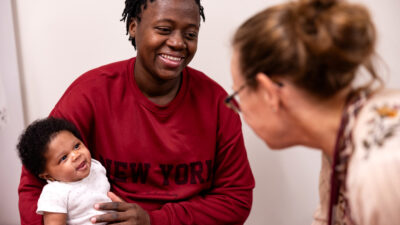
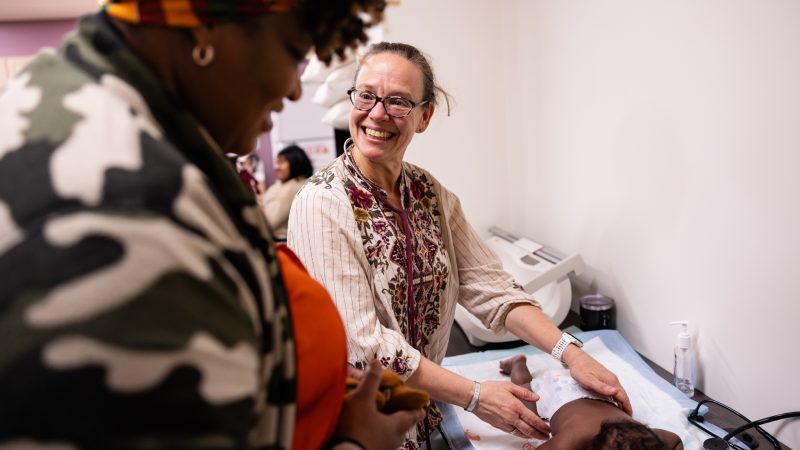
Among them was Worcester Free Care Collaborative, a volunteer-driven network of clinics that provides care for uninsured and underserved residents. The unrestricted grant, the largest in the Collaborative’s history, allowed providers to address not only medical concerns but also the circumstances affecting patients’ wellbeing.
In the first three months following the grant, the Collaborative served 1,906 people across Central Massachusetts.
One patient came to a Worcester Free Care Collaborative clinic seeking a refill of her blood pressure medication after losing her health insurance. Volunteers soon learned she had also lost her job and housing and was struggling to feed her child. Thanks to flexible funding, the clinic had healthy food on hand for patients managing chronic conditions such as hypertension, and she was sent home with groceries that evening. One volunteer even bought dog food for the family pet, and the clinic covered three months of her medication.
She later told volunteers she had never been treated with such dignity.

Another organization supported through the initiative, El Buen Samaritano Food Program, used its funding to open a new food pantry in Lincoln Village.
The pantry is already making a meaningful difference for Gloria, a Lincoln Village resident in her 80s who lives alone and manages diabetes and high blood pressure. With limited mobility and a tight budget, accessing fresh produce and other nutritious foods had become increasingly difficult, especially after a nearby grocery store closed. Now, Gloria can simply take the elevator downstairs to access fresh food and connect with her neighbors.
Gloria’s experience demonstrates how health is shaped by far more than medical care. When people can access what they need and feel connected to their community, they are better positioned to live healthy lives.
In both examples, flexible funding enabled organizations to respond to needs as they emerged rather than forcing assistance to fit predetermined program requirements.
Strong Communities Support a Strong Economy
Taken together, these examples show why local philanthropy matters. The challenges affecting health rarely fit neatly into a single category, and local nonprofits are often best positioned to respond because they understand the realities facing the people they serve. Through its relationships across Worcester County, Greater Worcester Community Foundation connects philanthropic resources with organizations addressing those needs. Flexible charitable dollars strengthen that work, allowing local organizations to respond where needs are greatest and adapt as circumstances change.
The anonymous donor who made this investment understood that improving health starts long before someone seeks medical care and trusted local organizations to determine how best to meet community needs.
For business leaders, that same insight has important implications for our regional economy. When people have access to healthcare, nutritious food, stable housing and supportive services, they are better positioned to participate in civic life, pursue opportunities and contribute to the region’s long-term prosperity. Communities that can meet these needs are better positioned to attract and retain talent, support local businesses and foster long-term economic vitality.
This article was originally published in the Worcester Business Journal.